Main Decision
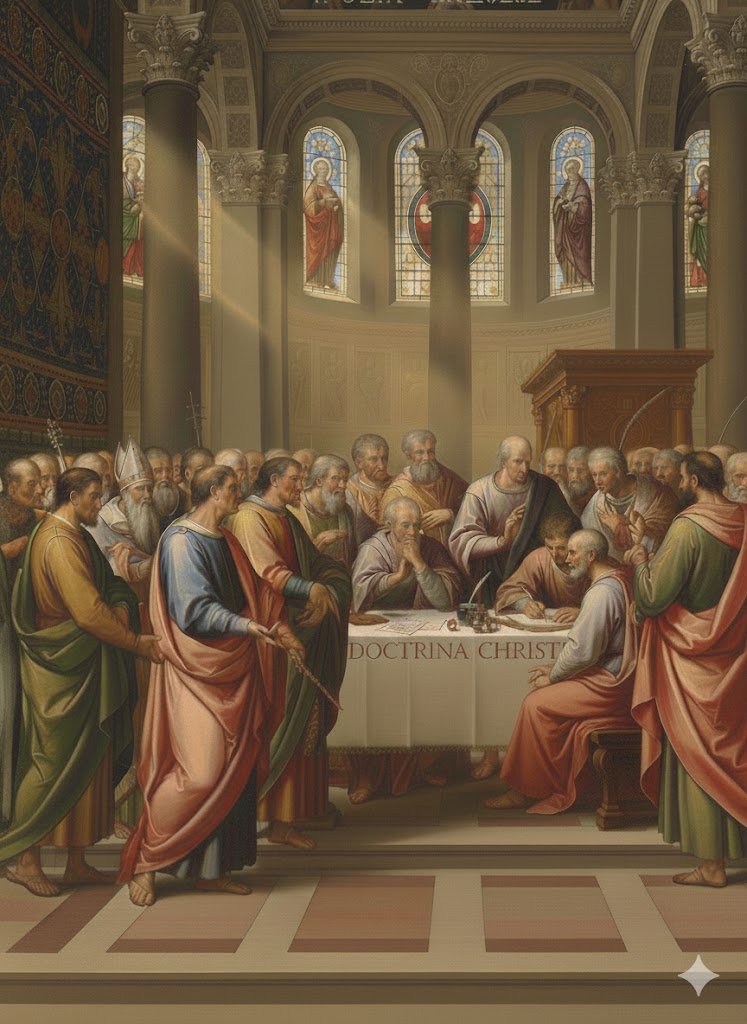
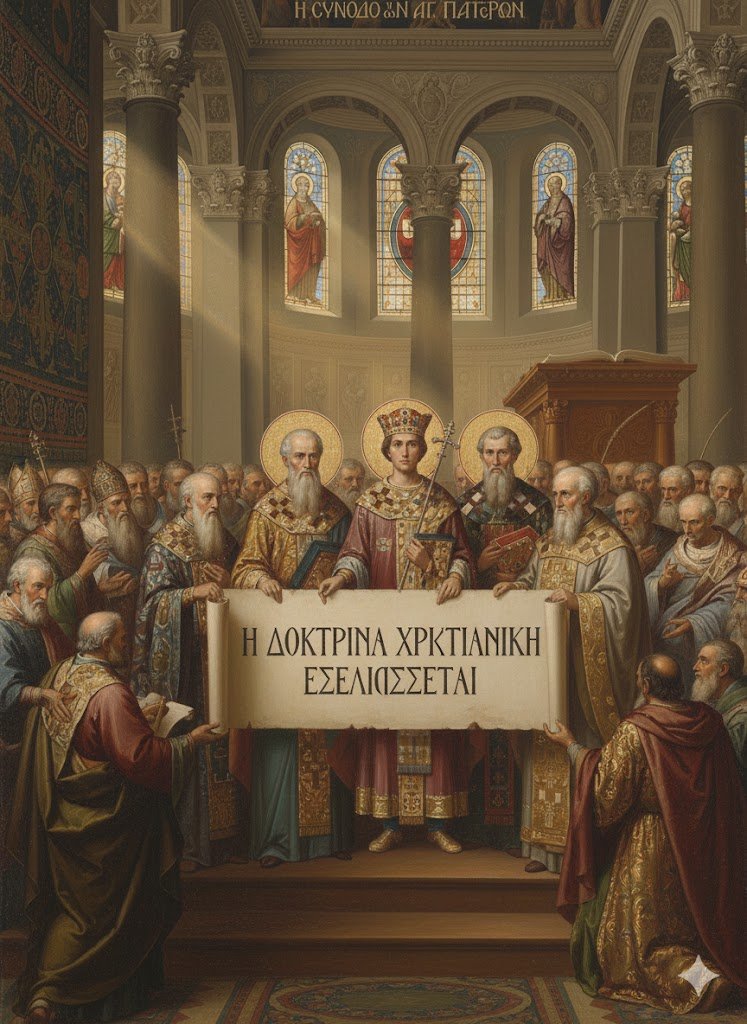
The Council established foundational doctrines of Christianity, clarified Church authority, and set precedents that guided later ecumenical councils.
Doctrinal Formation
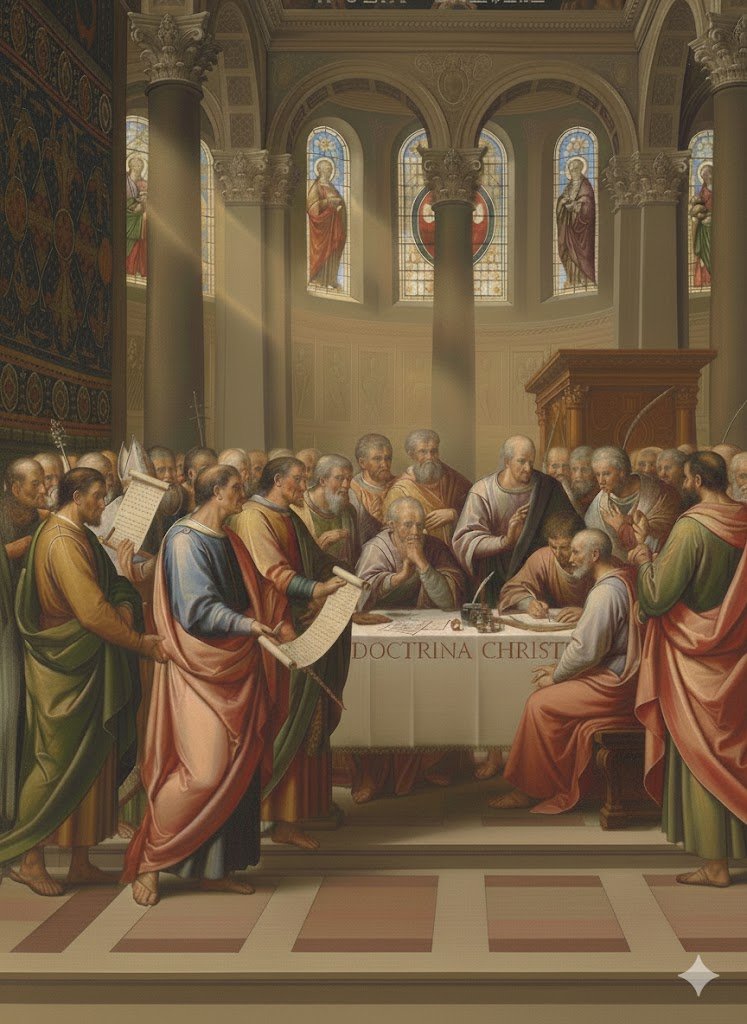
Bishops worked to define key elements of Christian belief, including the nature of Christ and His relationship to the Father.
Arian Controversy
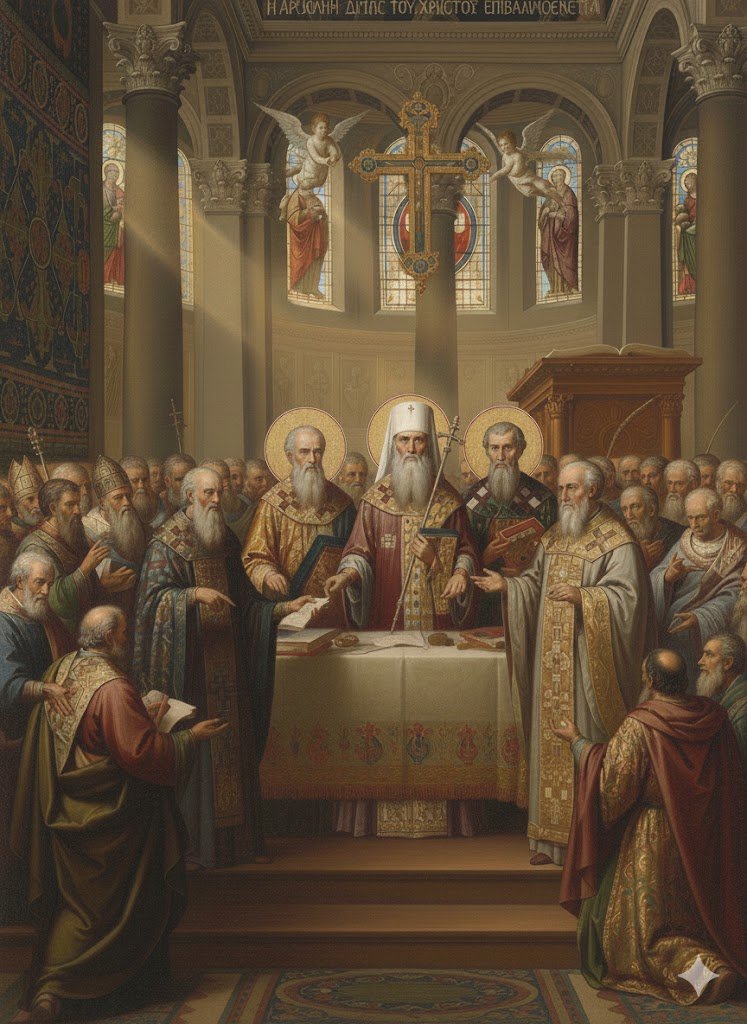
The central debate of the Council focused on the teachings of Arius, ultimately affirming the full divinity of Christ.
Bishop Authority
The Council clarified the roles and jurisdictions of bishops, reinforcing unity and structure within the early Church.
House of the Virgin Mary – Ephesus
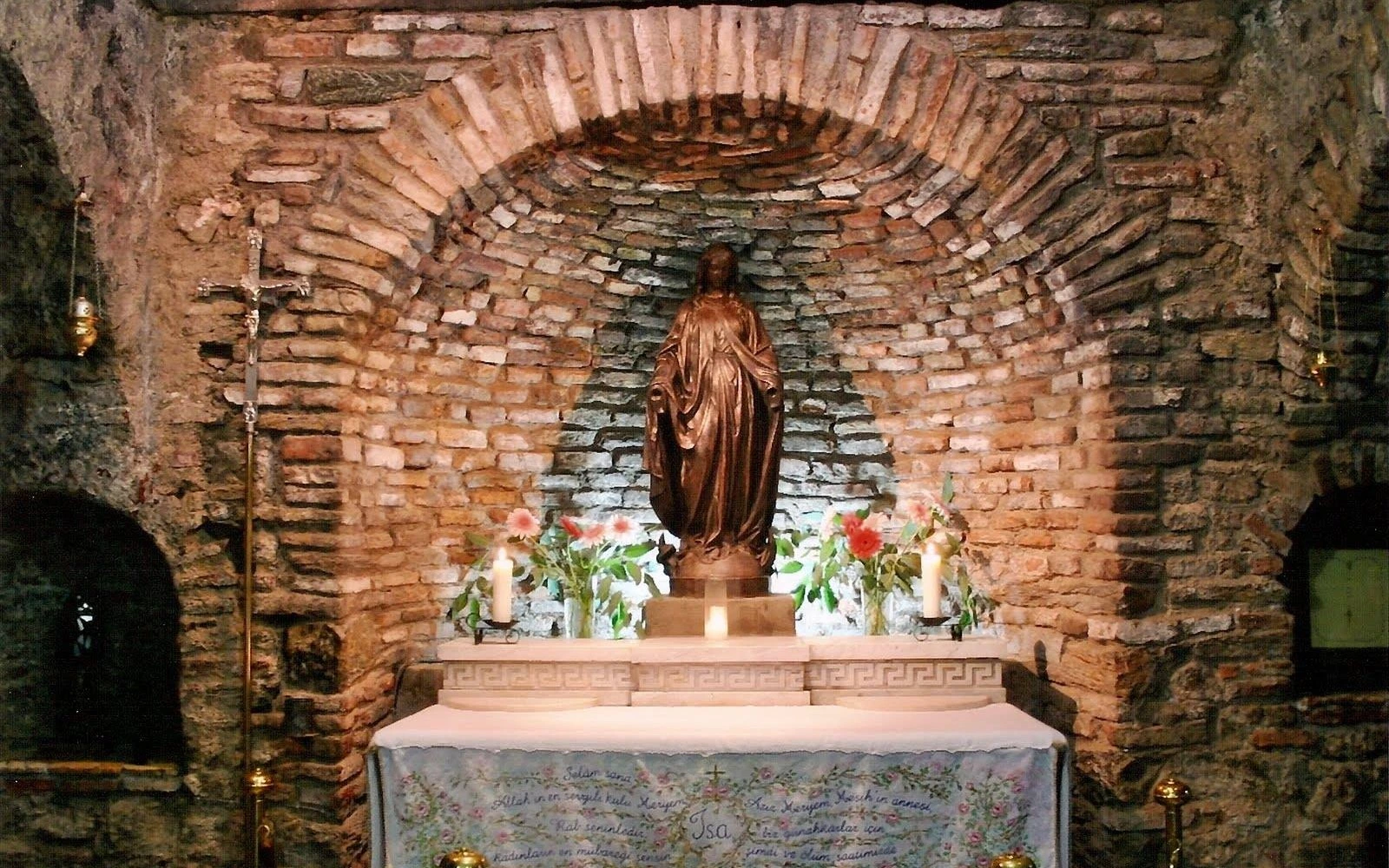
The House of the Virgin Mary is one of the most sacred Christian pilgrimage destinations in the world. Believed to be the final residence of the Virgin Mary, this holy site near Ephesus attracts millions of pilgrims every year for prayer, devotion, and spiritual reflection.
Seven Churches of Revelation
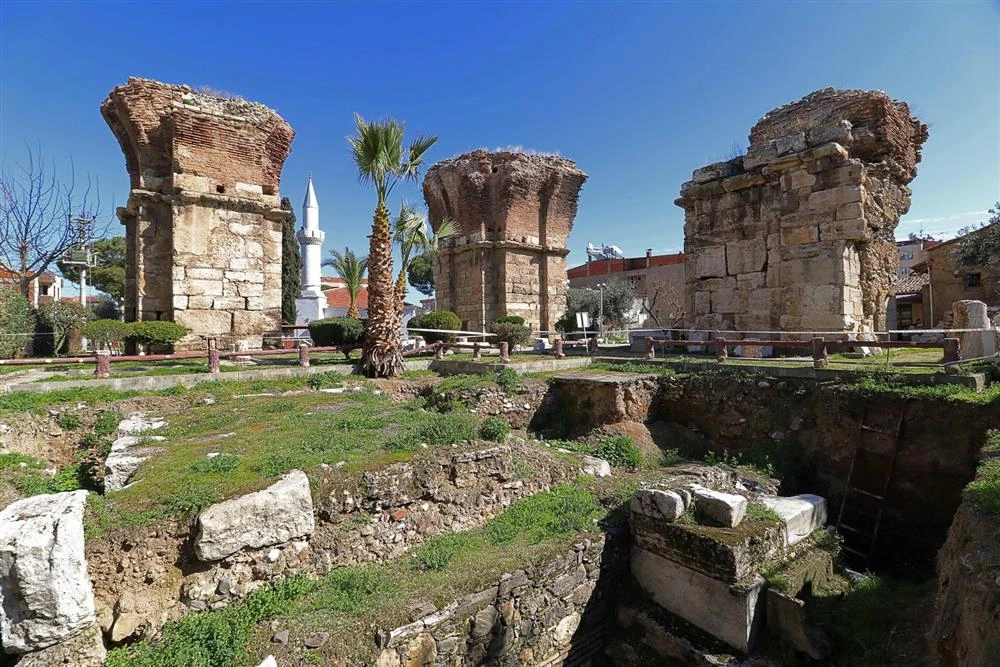
Türkiye is home to the Seven Churches mentioned in the Book of Revelation: Ephesus, Smyrna, Pergamon, Thyatira, Sardis, Philadelphia, and Laodicea. These ancient Christian communities played a fundamental role in early Christianity and continue to draw pilgrims from around the world.
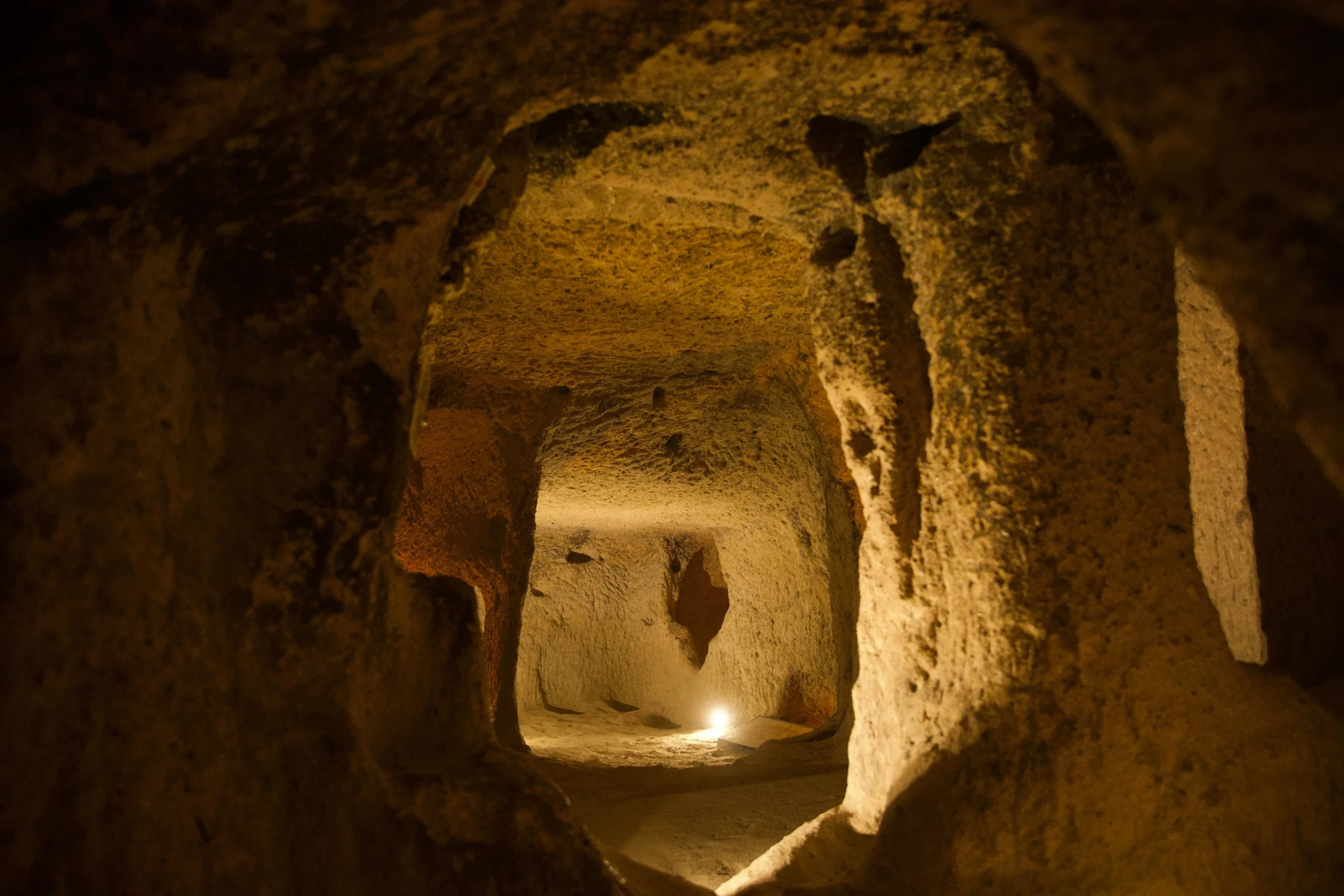
Other Pilgrimage Sites in Türkiye
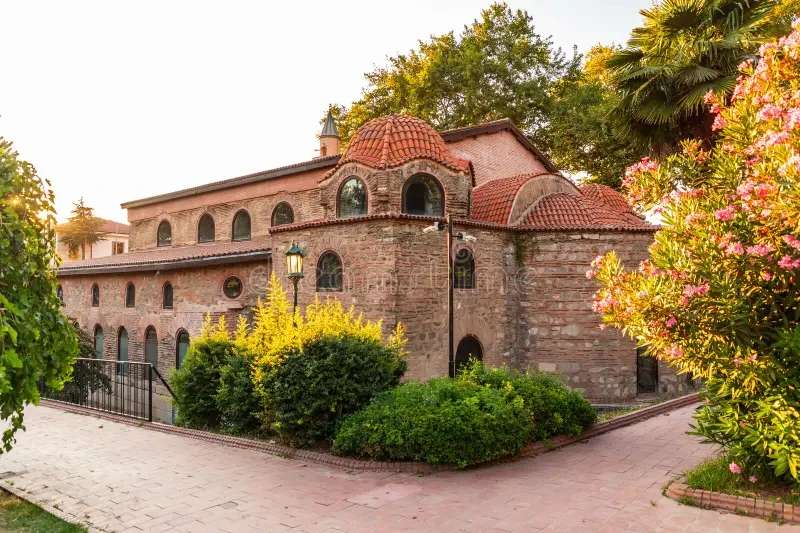
Beyond Nicaea and Ephesus, Türkiye hosts many important Christian pilgrimage landmarks, including the Hagia Sophia of İznik, the Church of St. Peter in Antakya, Cappadocia’s early Christian cave churches, and the Basilica of St. John in Selçuk. These sites form a rich spiritual heritage that spans centuries.
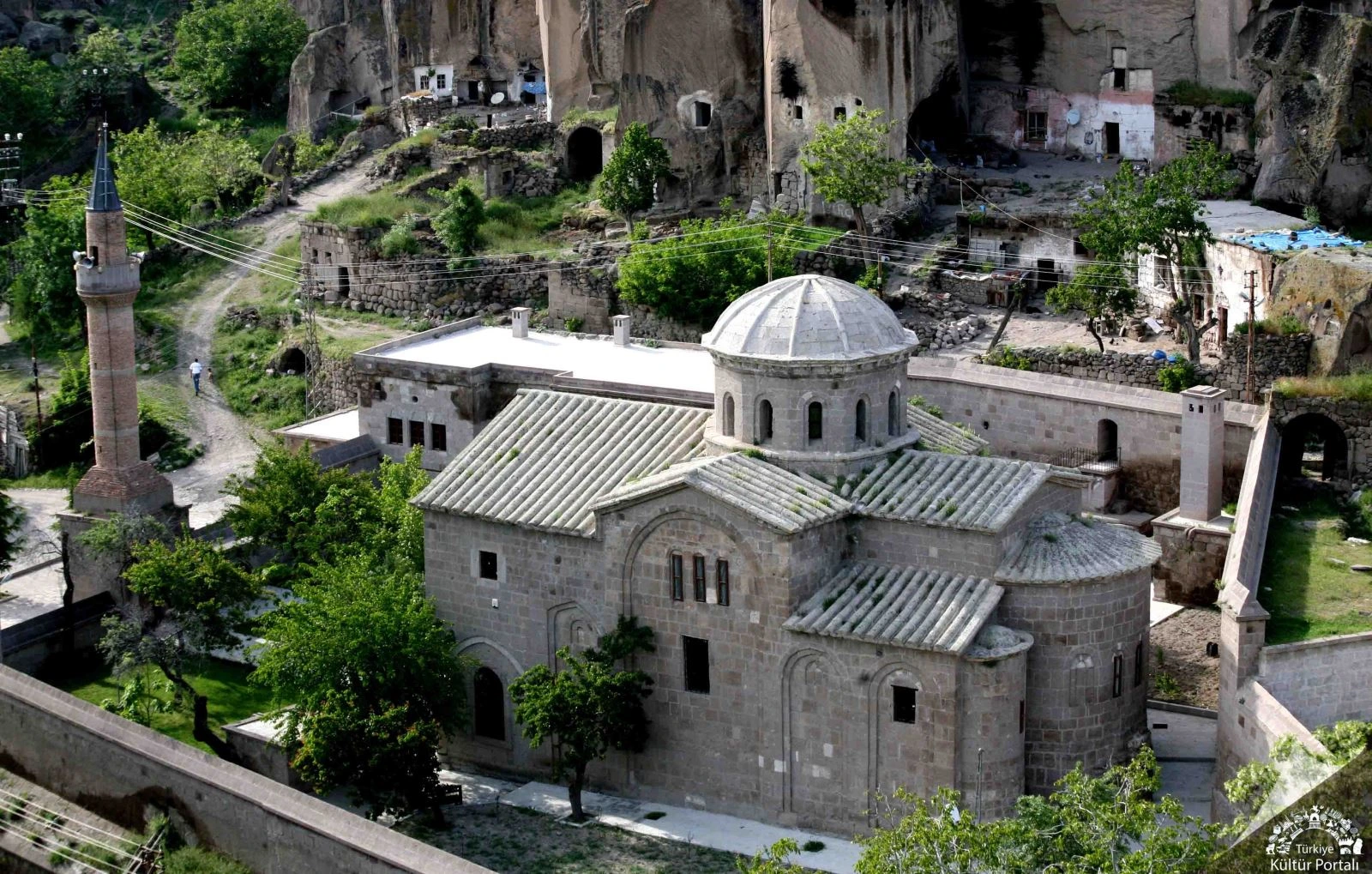
Churches in Türkiye
Türkiye is home to both ancient ruined churches from the early Christian era and modern active churches used by today’s Christian communities. From the historic sites of Ephesus, Cappadocia, and the Seven Churches of Revelation to contemporary churches in Istanbul, Izmir, and Antalya, the country reflects a rich and diverse Christian heritage.